
Season 2. The land that was more complicated than the house · Episode 3
This story is based on real events. Names, exact addresses, selected dates, amounts and some identifying details have been changed or combined to protect the participants’ privacy.
Shortly before the transaction, the notary asked an additional question: what exactly is located on the plot and who does it belong to?
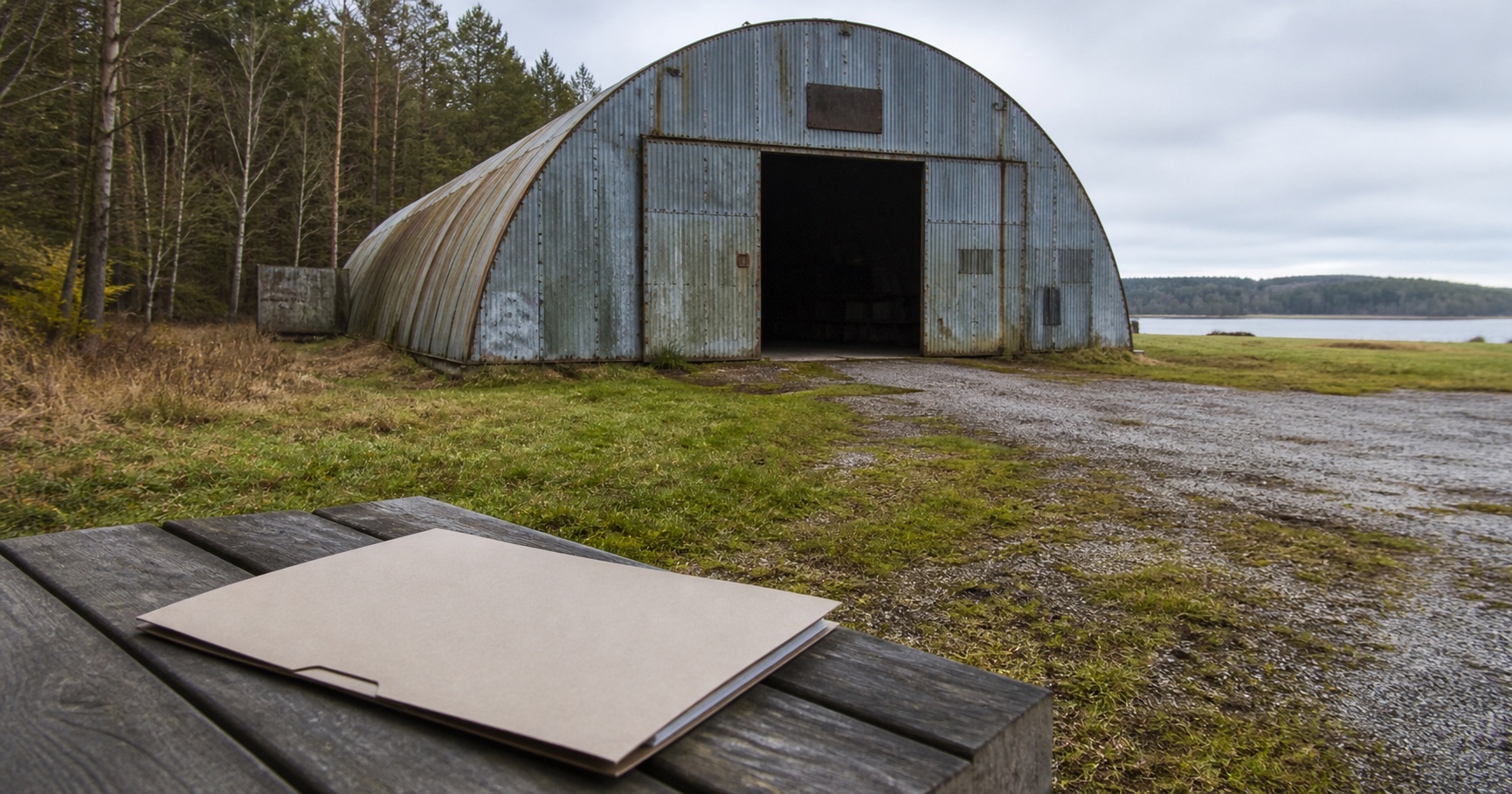
There was an arched hangar on the land.
Inside it were items, equipment and machinery.
The wording “the buyer has seen everything” was not suitable for a notarial contract.
We needed confirmation from the owner that the items belonged to him and would be transferred together with the plot.
The buyer had to confirm that he had inspected them, understood their condition and accepted them without warranty.
The contract separately stated that the seller was not obliged to clear the plot or remove the contents of the hangar.
In the morning, it was just an old storage space with things inside.
By evening, it had become a separate block in the notarial contract.
The transaction took place.
After that, we still had to check the recipient of the money, the reservation amount paid earlier, the agency commission and the final invoice.
Signing at the notary completes the transfer of ownership, but it does not always close every organisational and financial loose end.
The first email could have been deleted as spam.
Instead, three transactions grew out of it.
First I sold a house without land and documented the handover of an object the buyer had to dismantle and move away.
Then I worked out where construction was allowed on the plot, which zones crossed it, what roof shape was required and why radon had to be considered in the project.
Then I waited for a power of attorney from Germany, clarified the family property regime and, the day before the notary, defined the legal fate of the items inside a hangar.
None of these tasks was mentioned in the first email.
The client usually sees the end result: the listing is published, the buyer is found, the contract is signed.
The real work happens between those points.
Email addresses stop working, dates in the contract do not match, the buyer goes directly to the seller, and the transaction depends on an original document somewhere in international delivery.
That is why two identical requests to “sell an object” almost never mean the same work.
Next part
Part 4. A buyer appeared and went directly to the owner
After the viewing, the buyer made an offer, contacted the owner directly and decided they could continue without the broker.
Read next partGet new stories
This story is complete. Leave your email to receive new stories from Aleksandra Sandström’s practice.